Why Eating Less Won’t Help You Lose Fat (Do This Instead)

You’ve probably been told that if you want to lose fat, you just need to eat less. And maybe you’ve tried it—cutting your calorie intake, saying no to snacks, tracking every bite. For a while, it works… until it doesn’t. Then you’re stuck in that frustrating weight loss plateau where you’re doing everything “right,” but nothing’s changing. In this post, I’ll break down why “Eating Less” is keeping you stuck, what to do instead to actually lose fat, and the simple nutrition and workout shifts that helped me (and hundreds of moms) get results—without tracking every bite or spending hours in the gym.
Here’s what’s really happening: your body isn’t broken—it’s just trying to protect you. When you stay in a constant calorie deficit, your metabolic rate slows down, your energy dips, and fat loss stalls. Over time, that makes sustainable weight loss nearly impossible.
Why Eating Less Isn’t Working for Fat Loss
If you’ve ever wondered why eating less is keeping you stuck, it’s because your body adapts faster than you think. For most moms, eating less feels like the logical first step for weight loss. Cut calories, move more, and the pounds should come off, right? The problem is that this “eat less, do more” mindset only works for a short time before your body starts pushing back.
When your calorie intake drops too low, your body senses it’s not getting enough fuel. So it adapts by slowing down your metabolic rate to conserve energy. That means fewer calories burned throughout the day—even when you’re doing everything “right.” This is your body’s built-in survival system, not a sign of failure.
Over time, this chronic calorie deficit can cause fatigue, cravings, and loss of lean body mass. You might even start gaining weight again, even though you’re still eating less. That’s because your body is prioritizing energy balance and protection, not fat loss.
If you’ve ever felt stuck in a weight loss plateau, this is usually why. It’s not that you’re not trying hard enough—it’s that your body has adapted to too few calories for too long. Real, sustainable weight loss happens when your metabolism feels safe enough to let go of stored fat, not when it’s fighting for survival.
The latest on Youtube:
The Real Reason You’re Stuck (and How to Fix It)
If you’ve been eating “clean,” doing workouts, and still not seeing results, there’s a good chance you’re simply under-fueled. Most women think fat loss is all about eating less, but the truth is—it’s about eating enough of the right foods for your body.
When your food intake is too low for too long, your body shifts into survival mode. Your energy levels drop, your hormones start working against you, and your metabolism slows down to match your calorie intake. It’s your body’s way of keeping you alive, not a sign that you’re broken.
Every woman’s metabolism is different, and so are her unique needs. Factors like body type, stress levels, sleep quality, and activity level all play a huge role in how your body responds to food. That’s why there’s no one-size-fits-all calorie target or “perfect diet.”
This is exactly why I created my free Body Type Quiz—it helps you understand how your metabolism works and what kind of nutrition your body actually needs. Some women thrive on higher carbs, while others feel better with more healthy fats and protein. Once you learn how your body is wired, everything about your weight loss journey becomes simpler and more sustainable.
So instead of eating less, start focusing on fueling your metabolism. That means eating balanced meals, managing stress, and giving your body the right mix of nutrients so it feels safe enough to release fat again. Once you understand why “Eating Less” Is Keeping You Stuck (And What to Do Instead), fueling your metabolism starts to feel simple and freeing.
Eat More, Lose Fat? Here’s How It Works
Here’s the part that surprises most people: eating more of the right foods can actually help you lose fat faster. When you fuel your body with balanced meals—especially ones that stabilize your blood sugar—you keep your metabolism working for you instead of against you.
When your blood sugar levels spike and crash all day (think skipping breakfast, grabbing a sugary coffee, or eating mostly carbs without protein or healthy fats), your insulin levels stay elevated. And when insulin is high, fat loss stops—period. That’s because insulin’s main job is to store energy, not burn it.
By eating balanced meals that include protein, fiber, and healthy fats, you keep blood sugar steady and insulin stable. This not only supports better energy levels and fewer cravings, but it also creates the hormonal environment your body needs for sustainable fat loss. This balance of protein, carbs, and fats is part of what to do instead when eating less keeps you stuck.
Here’s a simple example: instead of a plain piece of toast in the morning, try eggs on whole grain toast with avocado, or Greek yogurt with berries and chia seeds. The combination of protein, fiber, and fat helps slow down glucose absorption, keeping your blood sugar—and energy—steady for hours.
This is exactly what I teach inside my Lazy Macro Method—how to eat in a way that balances your meals and supports your metabolism without tracking every gram or spending hours meal prepping. Once you understand how to pair your foods, you’ll notice your cravings drop, your energy improves, and fat loss starts to feel effortless.

What to Do Instead of Eating Less
If eating less isn’t working, it’s time to flip the script. The goal isn’t to eat as little as possible—it’s to eat enough to fuel your body so you can lose fat without feeling exhausted, hungry, or deprived. Here’s what that looks like in real life (even when you’re juggling kids, work, and never-ending to-do lists):
1. Build simple, balanced meals.
Every meal needs three things: protein, fiber, and healthy fats. That’s it. Think eggs and toast with avocado, Greek yogurt with berries, or a turkey wrap with veggies. These kinds of meals keep blood sugar steady, prevent crashes, and help your metabolism stay active all day.
2. Strength train—but keep it short.
You don’t need 90-minute workouts to get results. Even 20–30 minutes of strength training a few days a week is enough to boost your metabolism and build muscle (which helps you burn more calories at rest). This is exactly the kind of approach I use inside the Fit Mama Collective—fast, effective workouts that actually fit your life.
Take my FREE Body Type Quiz
3. Manage stress before it manages you.
Your body doesn’t know the difference between “I’m starving” stress and “my toddler just dumped Cheerios all over the floor” stress. Chronic stress keeps cortisol high, which can make fat loss harder. Prioritize small moments of calm—deep breaths, walks, or getting to bed earlier—because your body can’t lose fat if it doesn’t feel safe.
4. Stop chasing quick fixes.
Crash diets, detox teas, or 1,200-calorie meal plans might give short-term results, but they’re never sustainable. Real results come from consistency and giving your body enough fuel to support better energy, better workouts, and better fat loss over time.
Eating for fat loss isn’t about perfection—it’s about finding small, realistic habits that you can actually stick with. When you do that, your body responds. These are the practical steps for what to do instead when your old “eat less, move more” plan stops working.
Once you stop wondering why eating less is keeping you stuck and start fueling your body with purpose, fat loss becomes sustainable—and actually enjoyable.
The Simple Fat Loss Checklist for Moms
If you’re tired of wondering what to eat, how much, or when to work out — I’ve got you. I know how overwhelming it feels to juggle family, work, and your own health goals. That’s why I created a simple Fat Loss Checklist to help you focus on what actually matters — without adding more to your plate.
Inside, you’ll find the exact daily habits I teach my clients for sustainable weight loss: how to balance your meals, hit your protein goals, move consistently, and build routines that fit real mom life. No calorie counting. No extreme rules. Just small, doable actions that create big change over time.
These are the same habits that helped hundreds of women in my community finally break through their weight loss plateaus and see results that last long term — with better energy, better sleep, and a healthier mindset. The checklist was created for moms who feel like they’ve tried everything and are still wondering why eating less is keeping them stuck.
Want a copy?
Grab the free Fat Loss Checklist here — it’s your step-by-step guide to simplifying fat loss and feeling confident again.
How I lost 35 pounds after babies by eating more (not less) — the simple 5-step checklist that finally worked for my real mom life
The Mindset Shift You Need for Sustainable Weight Loss
Here’s the thing most women miss: fat loss isn’t just about food or workouts — it’s about your mindset. If you’ve been stuck in the “all or nothing” cycle, starting over every Monday, or feeling like one off day ruins everything, it’s time for a new approach.
Sustainable weight loss starts when you stop chasing perfection and start focusing on consistency. You don’t need to overhaul your life overnight — you just need to make small, realistic changes that fit into your real life. That’s where the real transformation happens.
When I coach clients, one of the biggest mindset shifts I teach is moving from restriction to intention. Instead of asking, “How little can I eat?” start asking, “How can I fuel my body today so I feel my best?” That simple question changes everything — your food choices, your energy, and your results.
It also means letting go of guilt. You don’t need to “earn” your food with workouts or feel bad for having a cookie. The goal is balance, not punishment. A healthy lifestyle isn’t built in extremes — it’s built through daily choices that add up over time.
So before you stress about the scale, focus on the habits that support your long-term success: fueling your body with real food, moving consistently, getting enough sleep, managing stress, and showing up even when it’s not perfect. That’s what creates lasting results — not another crash diet or “quick fix.” This mindset shift is key to breaking the cycle of why eating less keeps you stuck and finally achieving sustainable progress.
Subscribe to my youtube channel
The Role of Strength Training and Daily Movement
If you’re a busy mom, finding time to move your body can feel impossible. Between work, kids, meals, and laundry, the idea of spending hours in the gym just isn’t realistic—and the good news is, you don’t have to. Strength training is one of the most underrated solutions for why eating less is keeping you stuck—it rebuilds muscle and reignites your metabolism.
When it comes to fat loss and a healthy metabolism, strength training is one of the most powerful tools you have. Lifting weights—or even using your own bodyweight—helps build lean muscle mass. And more muscle means a faster metabolism, better energy, and stronger, more confident movement in your everyday life (yes, even when you’re carrying toddlers or grocery bags).
You don’t need fancy equipment or long workouts to see results. Even 20–30 minutes of focused, strength-based movement a few times a week can completely change your body composition. That’s why, inside the Fit Mama Collective, I design quick, efficient workouts that fit into nap times, early mornings, or those rare pockets of quiet time when you can finally focus on you.
Fit Mama Collective
The problem isn’t you. It’s that most fitness plans don’t understand the life of a busy mom nor do they give you a custom plan based on your unique body. They don’t offer the flexibility you need, the community support that keeps you motivated, or the accountability that keeps you on track.
Along with strength training, small amounts of daily movement make a big impact. Think power walks during your kid’s practice, stretching before bed, or dancing in the kitchen (you’d be surprised how much that adds up!). This consistent movement supports better blood flow, improves insulin sensitivity, and helps regulate stress hormones—all of which are key for fat loss.
If you can build a simple rhythm of movement—strength workouts a few days a week and more walking or active play on the others—you’ll see your energy, mood, and results shift in ways that dieting alone never could.
Remember: it’s not about finding more time, it’s about using the time you already have in a way that supports your goals.
The Bigger Picture: Stress, Sleep, and Hormones
If you’ve been eating balanced meals, staying active, and still not seeing progress, it’s time to zoom out. Sometimes the reason you’re stuck has nothing to do with food—and everything to do with stress, sleep, and hormones.
Chronic stress is one of the biggest (and most overlooked) roadblocks to fat loss. It is another hidden reason why eating less is keeping you stuck—your body simply won’t burn fat when it feels unsafe. When you’re constantly on the go—trying to do everything for everyone—your body produces more cortisol, your main stress hormone. And high cortisol levels over time can lead to water retention, increased hunger, and stubborn belly fat. It’s your body’s way of protecting you when it senses life is “too much.”
Sleep is another major piece of the puzzle. When you’re running on fumes, your hunger hormones go haywire—ghrelin (which makes you hungry) goes up, and leptin (which helps you feel full) goes down. That’s why you crave sugar and caffeine after a night of poor sleep. Getting even an extra hour or two of rest can make a huge difference in your energy levels, cravings, and metabolism.

Busy Moms’ Guide to Flipping the Metabolic Switch Fast
If you feel like your metabolism has slowed down since having kids, you’re not alone. Many moms struggle with weight gain, low energy levels, and stubborn belly fat, even when they eat what seems like a healthy diet. The good news? Science shows that certain healthy foods can activate your metabolic master switch, helping to boost metabolism, burn fat more efficiently, and support long-term weight management.
Hormonal Changes
And then there are hormonal changes—especially postpartum or during perimenopause—that affect how your body uses energy. These shifts can make fat loss feel harder, but they’re not the end of your progress. It’s one more reason why eating less is keeping you stuck—because your body can’t heal, rest, or recover when it’s underfed and overstressed. Supporting your body with enough calories, strength training, balanced blood sugar, and real food can help restore balance naturally.
If you’ve been pushing harder and eating less but still not seeing results, it’s not because you’re lazy or doing something wrong—it’s because your body is asking for a reset. The goal isn’t to do more; it’s to create better alignment between how you eat, move, and recover so your body feels safe enough to let go of stored fat.
The best part? Once you learn how to work with your body instead of against it, fat loss feels easier—and it stays that way long term.
Busy Mom Fat Loss Hacks That Actually Work
Let’s be real — between school drop-offs, work, practices, and trying to keep tiny humans alive, most moms don’t have hours to cook or train. You need strategies that actually fit your life, not ones that add more to your mental load.
Here are a few simple hacks that make fat loss doable (even on your busiest days):
1. Anchor your habits.
Instead of overhauling your routine, attach new habits to ones you already have. For example, drink a full glass of water when you pour your morning coffee, or take your vitamins right after brushing your teeth. These “anchors” make healthy habits automatic—no extra thought required. These simple shifts are part of what to do instead when you realize why eating less is keeping you stuck.

My favorite water bottle
2. Focus on your first meal.
Start your day with a protein-rich breakfast (at least 25–30 grams). It stabilizes your blood sugar, curbs cravings, and keeps your energy levels steady all morning. My go-to mom combos: Greek yogurt with berries, eggs with toast, or a protein smoothie you can sip in the car.
3. Simplify meal prep.
You don’t need an entire Sunday cooking session. Just prep one thing that makes the week easier—like cooked protein (chicken, ground turkey, or eggs) or chopped veggies. Think of it as “meal prep lite.” It’s enough to keep you from grabbing junk food when life gets busy.
4. Move in pockets of time.
Don’t stress about a perfect workout schedule. Ten-minute workouts during nap time, stroller walks, or squats while dinner cooks all count. The small bursts of activity you sneak in throughout the day matter just as much as one long gym session.
5. Plan to pause.
When your schedule is packed, slowing down might feel impossible—but skipping rest only makes fat loss harder. Try a 5-minute evening reset: put your phone down, take deep breaths, stretch, or journal one win from your day. It resets your nervous system and lowers stress hormones so your body can function the way it’s meant to.
6. Use “good enough” as your mantra.
You don’t have to track every bite or hit every macro perfectly. Focus on progress, not perfection. Eating one balanced meal is better than skipping because you don’t have time to make it perfect. Small, repeatable wins build consistency—and consistency is where real results happen.
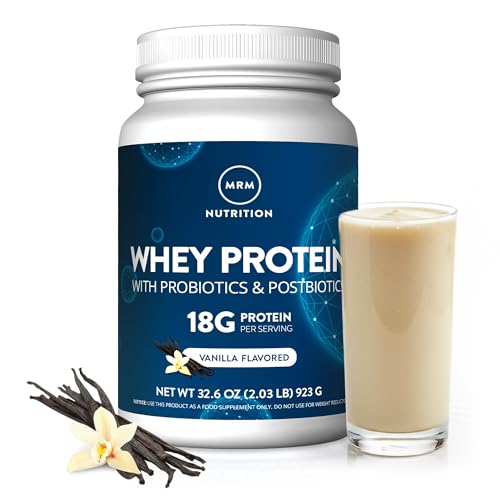
My Favorite Protein Powder
Signs You’re Not Eating Enough (and Don’t Even Realize It)
For many moms, eating less becomes second nature. You skip breakfast because mornings are chaos, eat your kids’ leftovers for lunch, and grab a protein bar between errands. It might not feel like you’re restricting—but if your body isn’t getting enough fuel consistently, it will let you know.
Here are a few common signs you’re not eating enough (even if you think you are):
1. You’re exhausted no matter how much sleep you get.
When your calorie intake is too low, your body conserves energy. That means constant fatigue, poor recovery from workouts, and relying on caffeine just to make it through the day.
2. You’re always cold.
Low food intake slows your metabolism, which means your body has less energy to keep you warm. If you’re constantly grabbing a blanket or fuzzy socks—even in mild weather—that’s a red flag.
3. You have intense cravings, especially for sugar or carbs.
Your body is smart. When you don’t eat enough, it craves quick energy sources like sweets or processed carbs. These cravings are a biological signal that you’re under-fueled—not a lack of willpower.
4. You’re stuck in a weight loss plateau (or even gaining).
It sounds backwards, but eating too little for too long can make fat loss harder. A prolonged calorie deficit lowers your metabolic rate, increases cortisol, and leads to water retention. That’s why the scale can stay stuck—or even creep up—when you eat less.
5. You have poor sleep or wake up at 3 a.m. hungry.
If your body runs out of energy overnight, blood sugar dips and cortisol rises to wake you up. A small balanced evening snack (like Greek yogurt with berries or peanut butter toast) can help regulate this.
6. You’ve lost your period or noticed other hormonal changes.
Your body needs adequate nutrition to produce hormones. Skipping meals, chronic stress, or overexercising can disrupt that balance, leading to irregular cycles, low libido, or thinning hair.
7. You’re doing “all the right things,” but nothing’s changing.
If you’re tracking, exercising, and still not seeing results, the problem isn’t effort—it’s energy. You simply can’t expect long-term fat loss from a body that’s underfed.
Once you notice the signs, you’ll finally see why eating less is keeping you stuck and how small nutrition changes make a massive difference. If any of these sound familiar, it’s not about eating perfectly—it’s about eating enough. Your body can’t thrive in survival mode. When you start connecting the dots and realizing why eating less is keeping you stuck, it finally clicks—your body isn’t fighting you, it’s protecting you. Once you start fueling it properly, everything changes: your mood, your energy, and yes—your results.

What to Eat to Rebuild Your Metabolism
If you’ve been under-eating for months (or years), your first step isn’t to cut more—it’s to rebuild. You have to show your body that it’s safe again to burn fat by giving it consistent fuel. And the good news? That doesn’t mean hours of meal prep or complicated recipes. It means eating real food, more often, and in the right balance.
1. Start with protein at every meal.
Protein is your metabolism’s best friend. It supports lean muscle mass, keeps you full longer, and prevents blood sugar crashes that trigger cravings. Aim for about 20–30 grams per meal (more if you’re strength training).
Quick mom-friendly ideas:
- Greek yogurt with berries and a scoop of protein powder
- Eggs or egg bites with a slice of toast
- Rotisserie chicken or turkey roll-ups with veggies
- Protein bar and fruit on the go
These high-protein, balanced meals are exactly what to do instead when eating less is keeping you stuck.
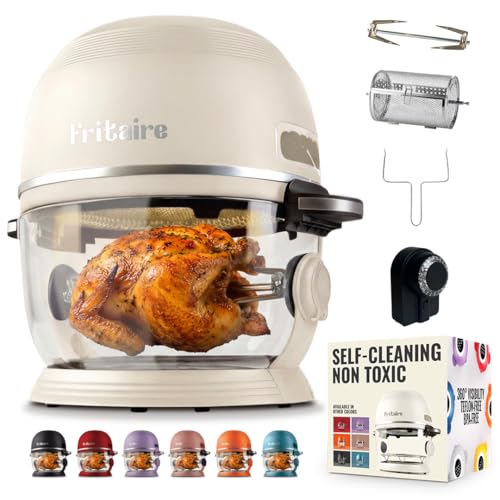
My favorite way to heat up chicken 🙂
2. Add healthy fats that balance hormones.
Healthy fats are essential for hormone health and stable energy levels. Don’t skip them—just choose the right kinds. Olive oil, nut butter, avocado, salmon, and seeds are easy, nutrient-dense options.
Example: Drizzle olive oil over a salad, blend peanut butter into a smoothie, or add avocado to your breakfast sandwich.
3. Eat carbs strategically—not fearfully.
Carbs aren’t the enemy. They’re fuel. Pairing carbs with protein or fat helps control blood sugar spikes and keeps insulin stable. Focus on real, fiber-filled sources like fruit, oats, rice, potatoes, and whole-grain bread.
For busy mornings, try oatmeal with protein powder and nut butter, or rice cakes with turkey and avocado for a quick snack.
4. Prioritize real food over “diet food.”
Forget the 100-calorie packs and “light” snacks. Your body needs nutrients, not numbers. Real food keeps your energy consistent and supports long-term success. Frozen veggies, canned tuna, and pre-cooked grains absolutely count—whatever makes it easier to get balanced meals on the table.
5. Don’t fear gaps between meals.
You don’t need to eat every few hours to “keep your metabolism going.” In fact, being able to go several hours without getting hangry or lightheaded is a good sign that your blood sugar is stable and your body can switch between burning glucose and fat for fuel — that’s called metabolic flexibility.
If you’re constantly hungry, shaky, or exhausted between meals, that’s your body telling you it needs more balanced meals (especially protein and fiber). But if you can go 4–5 hours between eating and still feel steady, that’s progress — it means your metabolism is working efficiently, not shutting down.
Real Talk: The Hard Truth About Diets
Here’s the hard truth: most diets promise quick results but end up creating a vicious cycle that leaves you tired, frustrated, and right back where you started. Whether it’s a keto diet, a 1,200-calorie “reset,” or another plan filled with false promises, these extreme measures almost always backfire.
As a registered dietitian, I’ve seen it all — from moms trying every trend to those who’ve considered bariatric surgery or met with a weight loss surgeon out of pure desperation. The truth is, these approaches rarely address the root causes of why your body is holding on to fat in the first place.
The common mistake I see? Believing that eating fewer calories is always better. But the amount of calories you eat matters far less than the quality of what you eat. You need a plan that supports your metabolism, not one that punishes it.
Even personal trainers agree that food balance is just as important as exercise. Restrict too much, and you risk muscle loss, fatigue, and a slower metabolism. Focus instead on nourishment—eating real food that gives your human body what it actually needs to thrive.
Remember, there’s no one “best thing” or “best way” to lose fat. The goal isn’t short-term fixes—it’s long-term success. The diet industry won’t tell you why eating less is keeping you stuck (and what to do instead)—but it’s the truth that changes everything.
Sample One-Day Meal Plan for a Faster Metabolism
If you’ve been eating too little, the first step isn’t just eating more food — it’s eating the right balance of protein, carbs, and fats to support your metabolism, blood sugar levels, and energy throughout the day.
This one-day example shows what fueling your body for fat loss looks like in real life — no complicated recipes, no calorie counting, just simple, high-protein meals that keep blood sugar balanced and hunger steady.
| Meal | Example | Why It Works |
|---|---|---|
| Breakfast | Greek yogurt with berries, chia seeds, and a drizzle of almond butter | High-protein + fiber combo stabilizes blood sugar and boosts satiety for the morning. |
| Midday Snack | Protein coffee or smoothie (with protein powder, frozen banana, and spinach) | Adds extra protein to support lean muscle and prevent energy crashes. |
| Lunch | Turkey wrap with veggies and hummus or chicken salad with olive oil dressing | Balanced protein, fiber, and healthy fats keep metabolism active and insulin steady. |
| Afternoon Snack | Apple slices with peanut butter or beef jerky and cucumber slices | Combines carbs and fat for steady energy and reduced cravings. |
| Dinner | Taco bowl with ground beef or turkey, rice, black beans, avocado, and salsa | Protein + fiber + healthy fats make for a blood-sugar-friendly meal that fuels recovery. |
| Optional Evening Snack | Greek yogurt with dark chocolate chips or cottage cheese with fruit | A small protein snack supports muscle repair and better sleep. |
Key takeaways:
- Every meal includes protein, fiber, and healthy fats — the trifecta for stable energy and fat loss.
- You don’t need perfection — just consistency. Frozen veggies, rotisserie chicken, and pantry staples count as real food.
- Balanced meals keep insulin in check, which allows your body to burn stored fat instead of constantly storing it.
f you’re not sure where to start, grab my free Fat Loss Checklist — it’s a simple, practical guide that helps busy moms focus on the daily habits that actually matter for sustainable fat loss. Think of it as your reminder list for what truly moves the needle (and what you can stop wasting time on).
The Next Step (Beyond the Checklist)
If you’ve made it this far, you already know that sustainable weight loss isn’t about cutting more calories or living in a constant calorie deficit—it’s about working with your body, not against it. You can’t create a healthy lifestyle by running on empty. You have to fuel your metabolism, support your hormones, and rebuild the energy balance that keeps your body functioning at its best.
That’s exactly what I teach inside the Lazy Macro Method. It’s a step-by-step approach that helps you understand your calorie intake, balance your macronutrients, and stabilize blood sugar—without tracking every gram or weighing your food. You’ll learn how to eat real food, in real life, while still seeing real results.
If you’ve ever felt stuck, confused, or overwhelmed by conflicting diet advice, this method simplifies it all. You’ll finally understand how to create sustainable weight loss habits that work long term—no crash diets, no guilt, and no more guessing.
What if I Am Already In a Good Place?
And if you already understand the basics but struggle to stay consistent, that’s where the Fit Mama Collective comes in. It’s my monthly membership that combines quick, strength-based workouts (20–30 minutes), fat-loss-focused meal ideas, and accountability—all designed specifically for busy moms. You’ll also get community support, mindset coaching, and practical lifestyle changes that actually stick.
These programs were built to help women like you stop spinning your wheels and start seeing results that last. Because when you fuel your body, move intentionally, manage stress, and prioritize recovery, everything changes—your energy, your mood, your confidence, and your overall health.
You deserve a plan that fits your life—not the other way around. If you’re ready to stop wondering why eating less is keeping you stuck and learn what to do instead, both the Lazy Macro Method and Fit Mama Collective were built for you.
Ready to take the next step?
👉 Check out the Lazy Macro Method if you want to learn how to eat for fat loss without obsessing over calories.
👉 Or join the Fit Mama Collective if you’re ready for consistency, community, and strength that goes far beyond the scale.
Final Thoughts: Your Body Isn’t the Problem
If you’ve been stuck in the “eat less, work harder” cycle, I want you to hear this: your body isn’t the problem. It’s not broken, unmotivated, or failing you. It’s doing exactly what it was designed to do—protect you when it senses stress or restriction.
The real key to lasting fat loss and better overall health isn’t another crash diet or extreme plan. It’s creating a healthy lifestyle that you can actually live with. One that includes real food, strength training, rest, and flexibility. One that supports your metabolism, hormones, and emotional health—not drains them.
Sleep gets deeper, your mind feels clearer, and the results finally stick.
No more guessing why eating less is keeping you stuck—once you understand how to fuel properly, everything changes.
Progress doesn’t come from perfection—it comes from feeding your body instead of fighting it. And when you stop repeating the same cycle and finally see why eating less is keeping you stuck, you’ll realize the answer isn’t less food—it’s smarter fuel.
If you’re ready for a more sustainable, realistic approach to fat loss that fits into your busy life:
- Start with the free [Fat Loss Checklist] — it’ll help you focus on the habits that actually matter.
- Then dive into the Lazy Macro Method if you’re ready to finally understand how to eat for fat loss without restriction.
- Or join the Fit Mama Collective for short, strength-based workouts, accountability, and the kind of community that keeps you showing up even on the hard days.
Because this isn’t about dieting harder—it’s about building strength, confidence, and long-term success from the inside out. This is the truth about why “Eating Less” Is Keeping You Stuck (And What to Do Instead)—your body was never the problem.